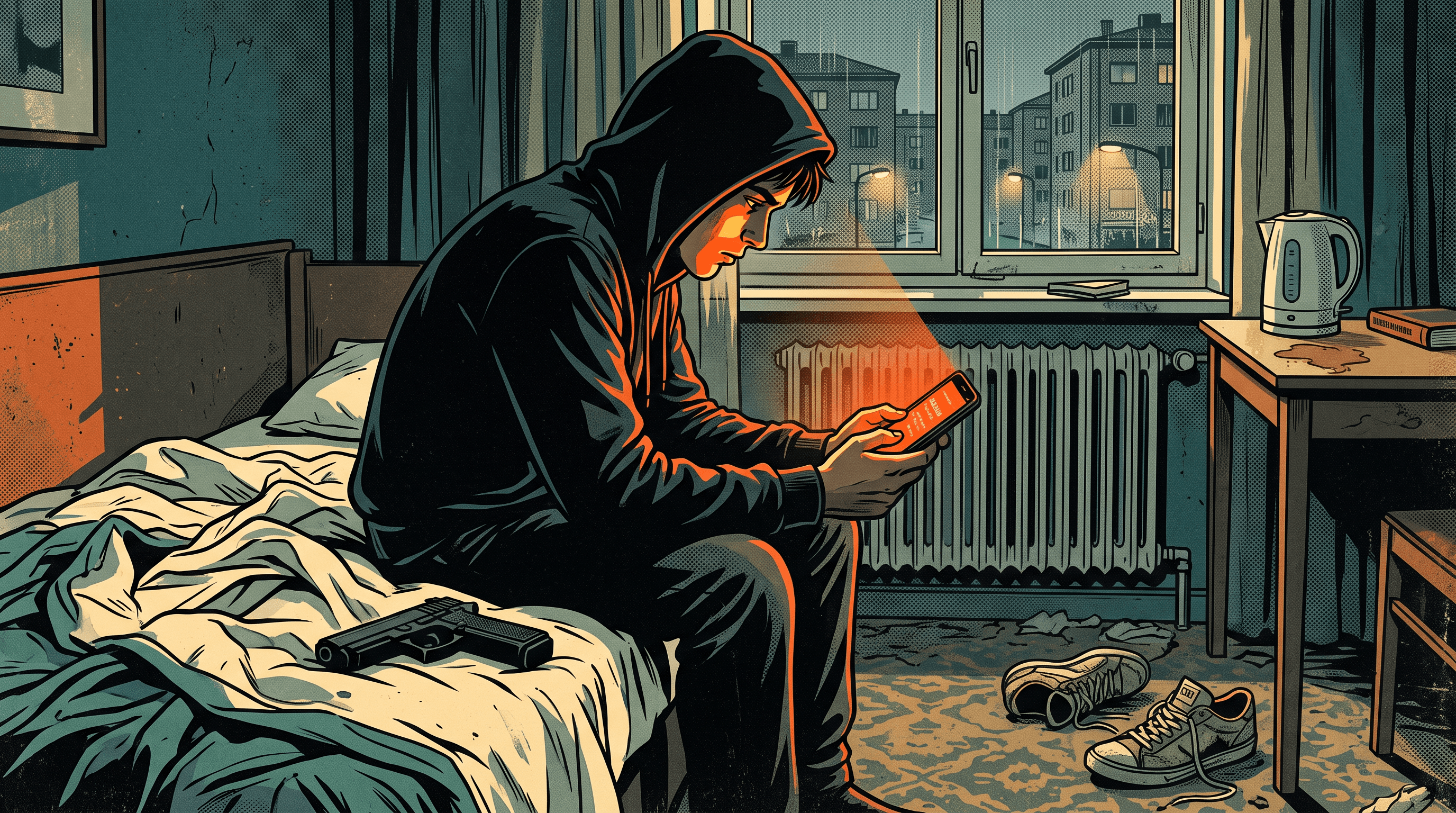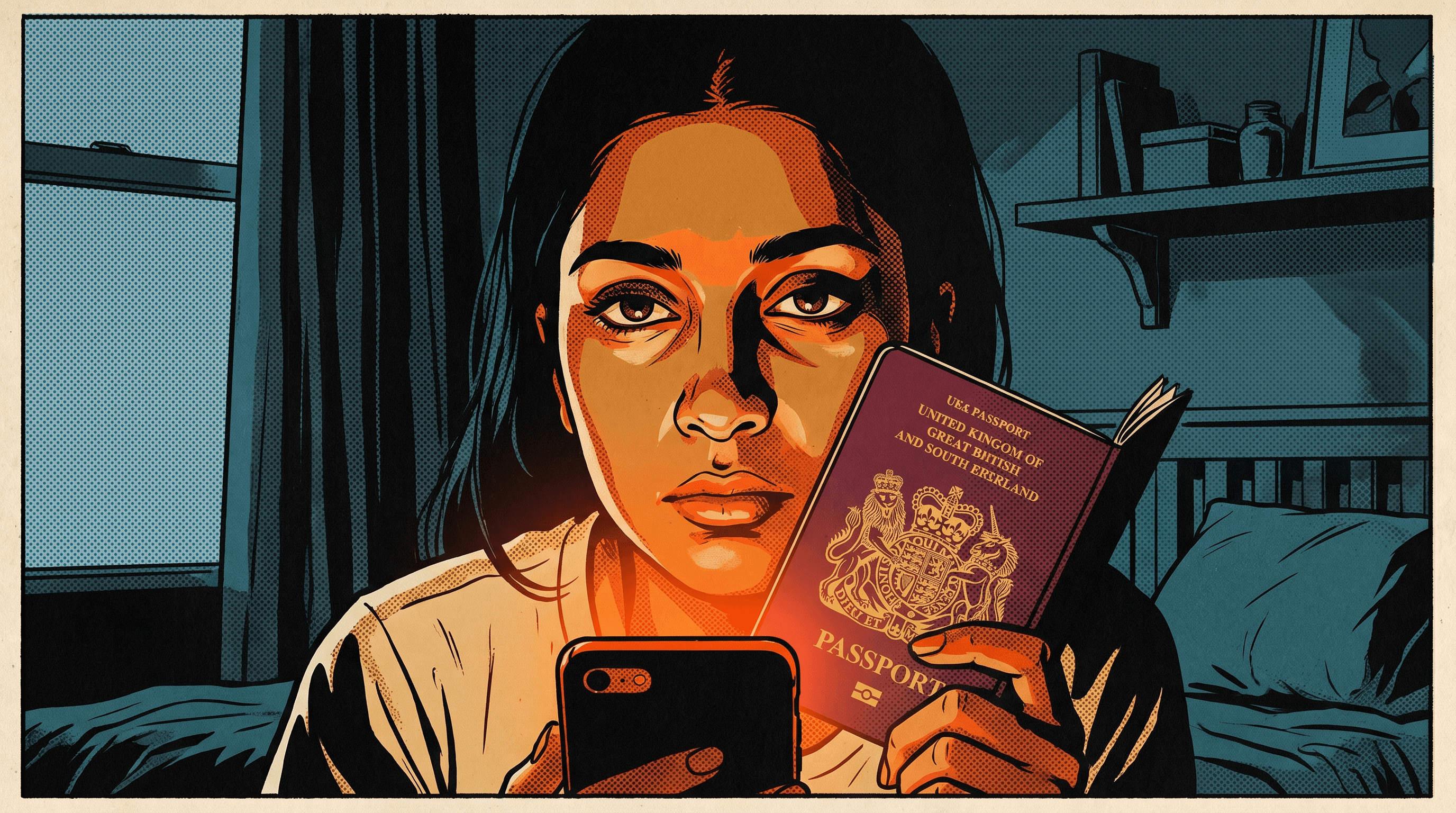
There is a particular kind of cruelty in being told you belong to a country by its laws and told you don't by its feeds. Millions of British-born citizens — people who have never held another passport, who did their GCSEs and remember where they were when England lost on penalties — wake up each morning, open their phones, and are reminded by strangers that their citizenship is, at best, provisional. The question "Where are you really from?" used to require a nosy aunt or an awkward colleague. Now it scales.
What Happened, Plainly
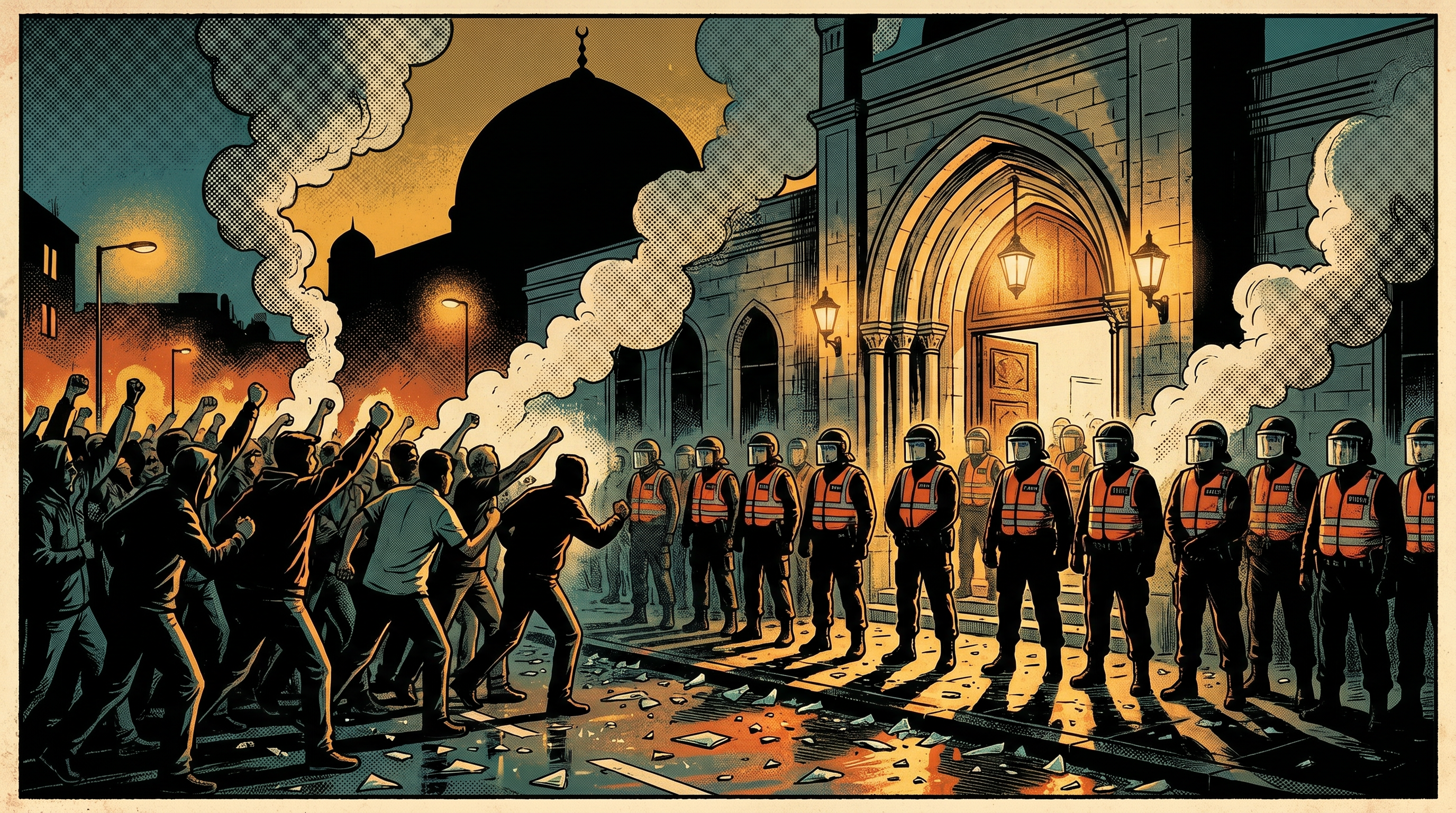
In July 2024, children were murdered in Southport. What followed online was not grief. It was fabrication. False claims that the attacker was Muslim, a refugee, or a migrant spread within hours and reached enormous audiences. Amnesty International UK described what happened on X/Twitter as a "staggering amplification of hate." A UK Parliament Science and Technology Committee report concluded that misleading and hateful messaging spread rapidly, amplified by recommendation systems, with protests turning violent and often targeting Muslim and migrant communities.
The hate wasn't just digital. Hate crimes targeted at Muslims increased 19% in the year ending March 2025, with a spike around the Southport disorder. Race hate crime rose 6%. Religious hate crime rose 3%. Home Office figures for England and Wales recorded 115,990 hate crimes by police — and even that number excludes the Metropolitan Police entirely, due to recording changes. The real figure is higher. How much higher, nobody can say precisely.
Meanwhile, UK adults were spending an average of 4 hours and 20 minutes per day online, with 48% of UK adults' online time spent on services owned by Alphabet or Meta. Reddit's UK reach surged 47% year-on-year, hitting 22.9 million users by May 2024. The audience is captive. The content is relentless.
The Thing Nobody Wants to Say
The standard framing goes like this: hateful people say hateful things online, platforms fail to moderate, harm results. That story is true but incomplete. It misses the stranger, quieter damage — the kind that doesn't make headlines because it doesn't involve a broken shop window.
Here's the non-obvious part: the real product of algorithmic hate isn't violence. It's ambient exclusion.
Amnesty International UK argued that X's ranking systems reward provocative engagement regardless of truth or harm. Think about what that means in practice. A recommendation engine doesn't need to be racist. It just needs to be profitable. If rage drives clicks, and racial grievance drives rage, then a perfectly "neutral" algorithm will serve up othering content with the same mechanical cheerfulness with which it serves up cat videos. The platform doesn't hate you. It's worse than that — it's indifferent to whether you're hated, as long as you stay on the page.
The Belonging Gap, Measured and Mechanised
Imagine two versions of being British. In one, you have a passport, you pay taxes, you argue about whether it's acceptable to put milk in first. In the other, you have all that plus the vague but persistent sense that a significant number of your fellow citizens think you're cosplaying.
A 2025 YouGov study on British and English identity put numbers to this feeling. UK-born ethnic minority adults in England were far more likely than white adults to identify as more British than English — 43% said they were either "British, not English" or "more British than English," compared with 19% of white adults.
Why the gap? Because Englishness, it turns out, comes with a velvet rope. People were more likely to define Englishness through heritage and ancestry than Britishness. Thirteen percent of adults in England said you have to be white to be English. Among ethnic minorities themselves — the people most directly affected by the gatekeeping — 24% said whiteness is required to be seen as English.
So British-born minorities do the rational thing: they reach for "British" because it's the identity least likely to be contested. It's the one with the clearest legal footing and the fewest ancestral checkpoints. This is not a celebration of multiculturalism. It's a survival strategy.
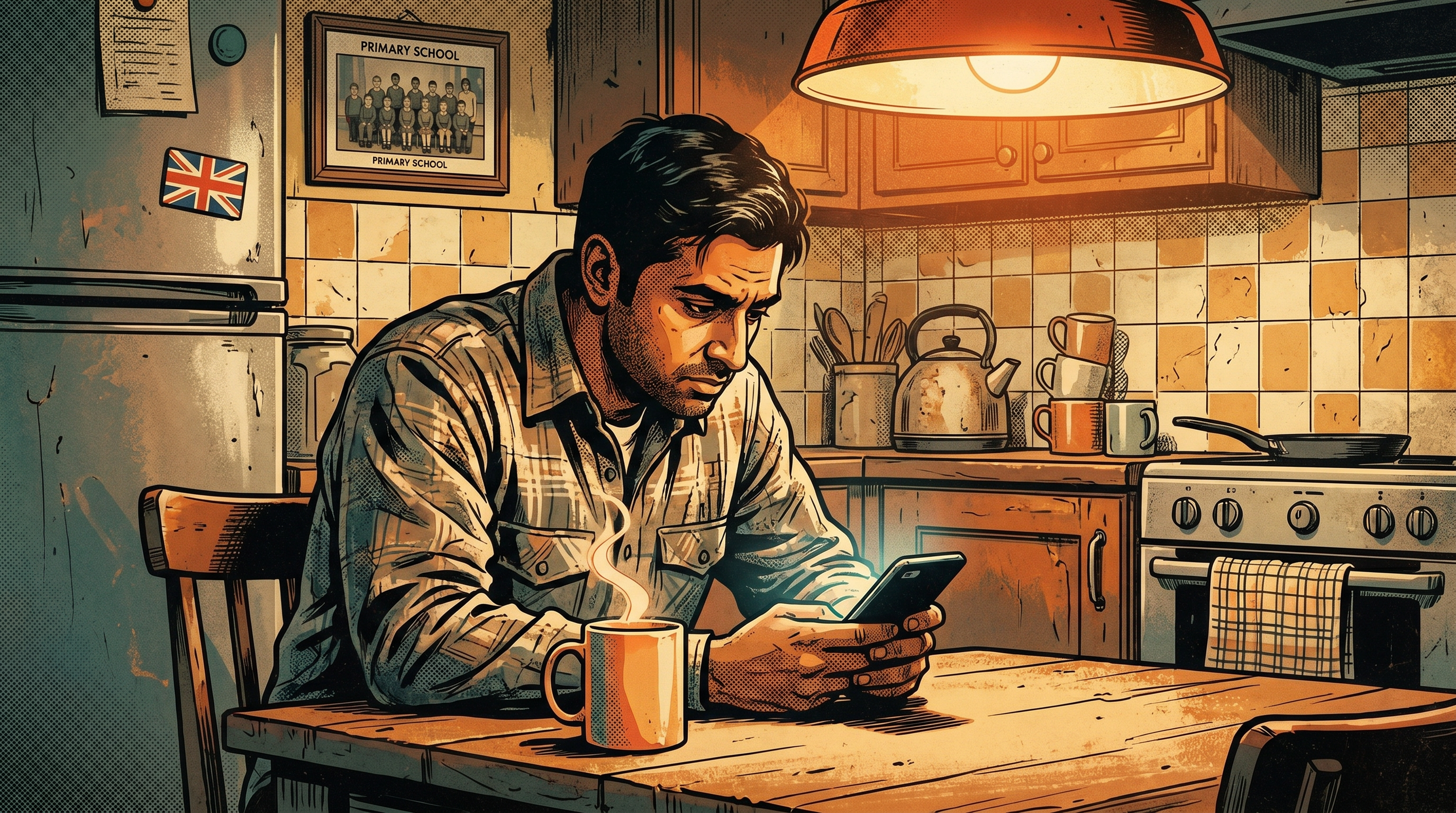
Now put that person — passport in hand, "British" identity carefully selected like armour — online for four hours and twenty minutes a day. Nearly half of that time is spent on just two companies' platforms. And what do they find there?
The 2025 findings from Youth, Race and Social Media, reported by Goldsmiths and the British Sociological Association, are staggering in the most literal sense: 95% of surveyed Black and racially minoritised young people had encountered violent or abusive racist content online. Not "heard about it." Not "read a news story." Encountered it themselves. Ninety-five percent. You could fill Wembley Stadium with young people of colour and statistically only a few thousand would have been spared.
Sixteen percent saw it every single day, 38% at least once a week. That's not an occasional bad experience. That's weather. You don't encounter racism online the way you encounter a rude barista. You encounter it the way you encounter rain in Manchester — with grim regularity and the quiet suspicion that nobody in charge has any plans to fix it.
The effects track exactly how you'd expect. Fifty-eight percent said racist content made them feel less safe. Forty-two percent said it harmed their mental health. Eighteen percent said it affected friendships outside their ethnic group — which means the algorithm is not just reflecting division but manufacturing it.
And when these young people tried to do something about it? Thirty-nine percent of those who reported abuse to platforms received no response at all. Forty percent received an unsatisfactory one. Add those up: 79% of reports went essentially nowhere. Filing a complaint about racism on a major platform has roughly the same success rate as writing a strongly worded letter to the weather.
How a Rude Question Became a Condition
Here's the mental model that ties it together. "Where are you really from?" used to be an interpersonal failure — one ignorant person, one awkward moment, one anecdote to share later. You could walk away. You could choose not to see that person again.
Recommendation algorithms changed the physics of that interaction. They took a rude question and turned it into an environment. The question no longer comes from a person. It comes from the architecture.
Southport proved what happens at the extreme end: real lies, amplified by real systems, producing real violence against real communities who had nothing to do with the crime. But Southport was the earthquake. The daily experience of British-born minorities online — the 95% encounter rate, the 16% who see it every day, the 79% whose reports vanish — is the tectonic pressure underneath. It's quieter, slower, and far more destructive over time.
The Passport Is Not Enough
Britain has spent decades building the legal architecture of belonging — citizenship laws, anti-discrimination statutes, equality duties. That architecture is real and it matters. But legal citizenship is a floor, not a ceiling, and the algorithms have figured out how to keep millions of people pressed against it.
The crisis is not that hateful people exist. Hateful people have always existed. The crisis is that we built machines to amplify them, metrics to reward them, and complaint systems to ignore the people they target — then called the whole arrangement a "platform" and acted surprised when it produced exactly the outcomes it was designed to produce.
British-born minorities do not need to be told they belong. They need to stop being algorithmically reminded, four hours and twenty minutes a day, that a significant number of their countrymen disagree.