Here is a story designed in a laboratory to make you believe in fate. A buried note. A dead man's tip. A horse named Christmas Day. A Romanian whose surname means Christmas. And, naturally, a happy ending with £20 turned into winnings at 7-1. The only thing missing is a violin.
I'm going to ruin it for you. Not because it isn't charming — it's enormously charming — but because the way we tell stories like this one quietly lies to us.
What Actually Happened
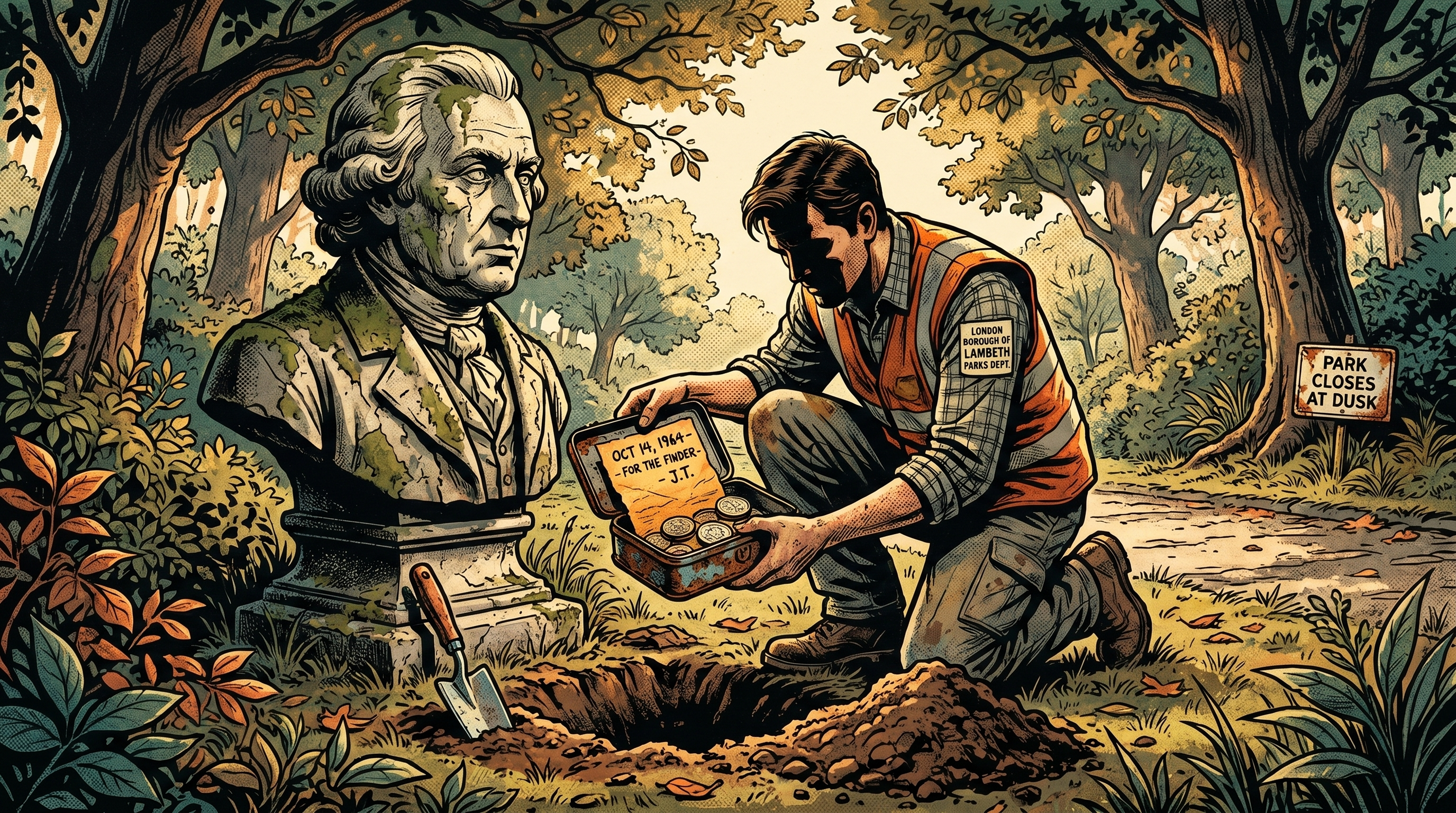
During restoration work on the bust of Sir Joseph Paxton in Crystal Palace Park, south London, a worker named Craciun Marius Dorin unearthed a time capsule. Inside were four old coins and a handwritten note dated 1964.
The note said the money had come from a horse called Santa Claus, and advised whoever found it to back a horse with a festive name. It did not name one. It just gestured, vaguely, across six decades, at the general theme of Christmas.
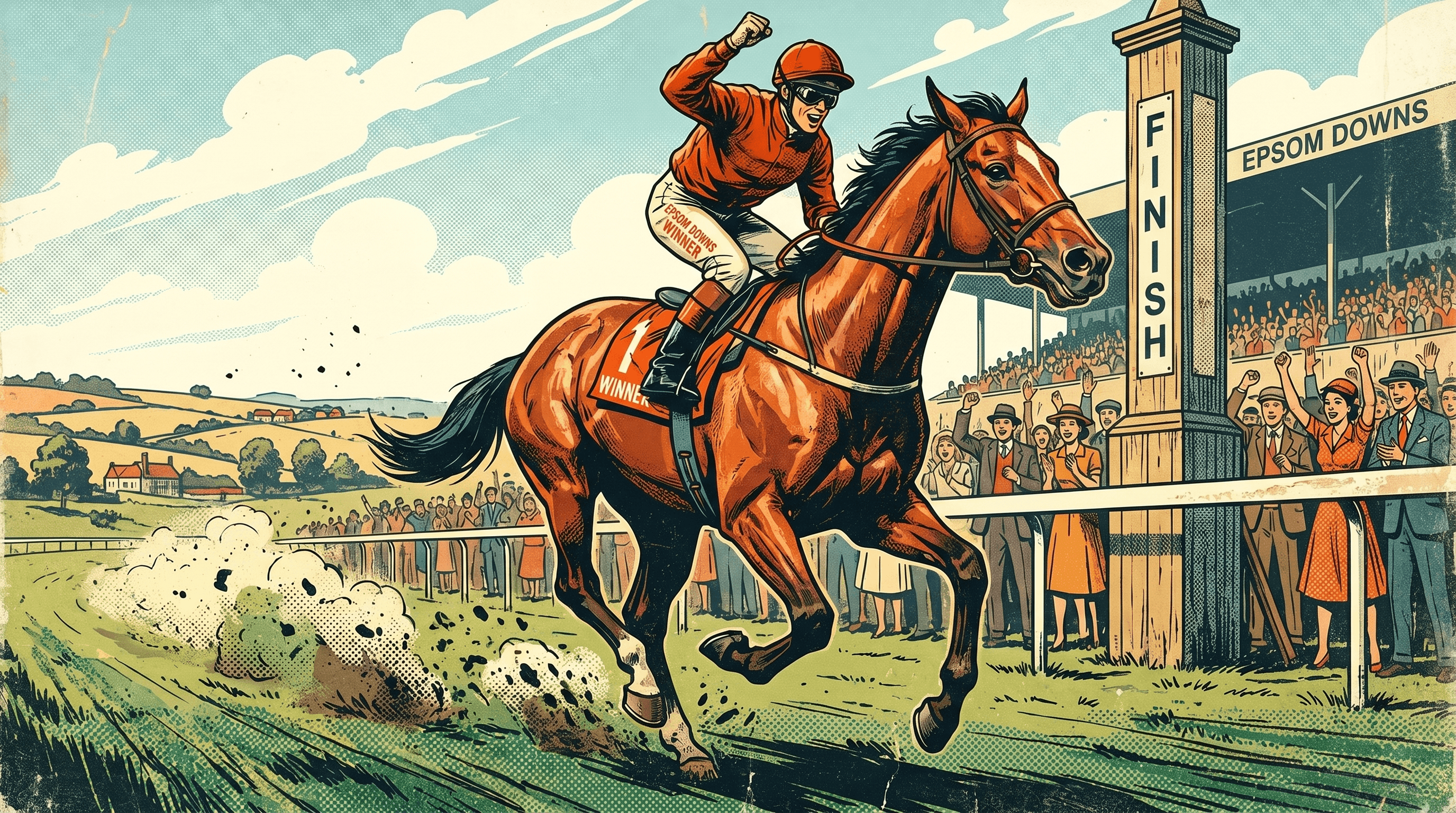
Site manager Josh Smalls took the hint. He scanned recent rosters, found a horse called Christmas Day running in the Epsom Derby, and put £20 on it. Bromley Mayor Christine Harris added £15, earmarking any winnings for local charities. Christmas Day — trained by Aidan O'Brien, ridden by Ronan Whelan — duly won. "It was kind of spooky," said Smalls. The Crystal Palace Park Trust declared the prophecy fulfilled.
The Graveyard You Never See
Now, the spooky part. Notice what makes this story exist at all: the horse won.
That sounds obvious. It's the entire trick. If Christmas Day had finished seventh — which, at 7-1, the bookmakers thought far more likely — there is no story. No "prophecy come true." No mayor, no charity, no quote about feeling like a child on Christmas Day. The note goes in a drawer and the coincidence dies unmourned.
This is survivorship bias, and it runs the entire genre of "you won't believe what happened" stories. We only ever hear from the winning ticket. The thousands of identical hunches that lost don't get a press release. They get a shrug and a torn-up betting slip.
The Casino in Your Head
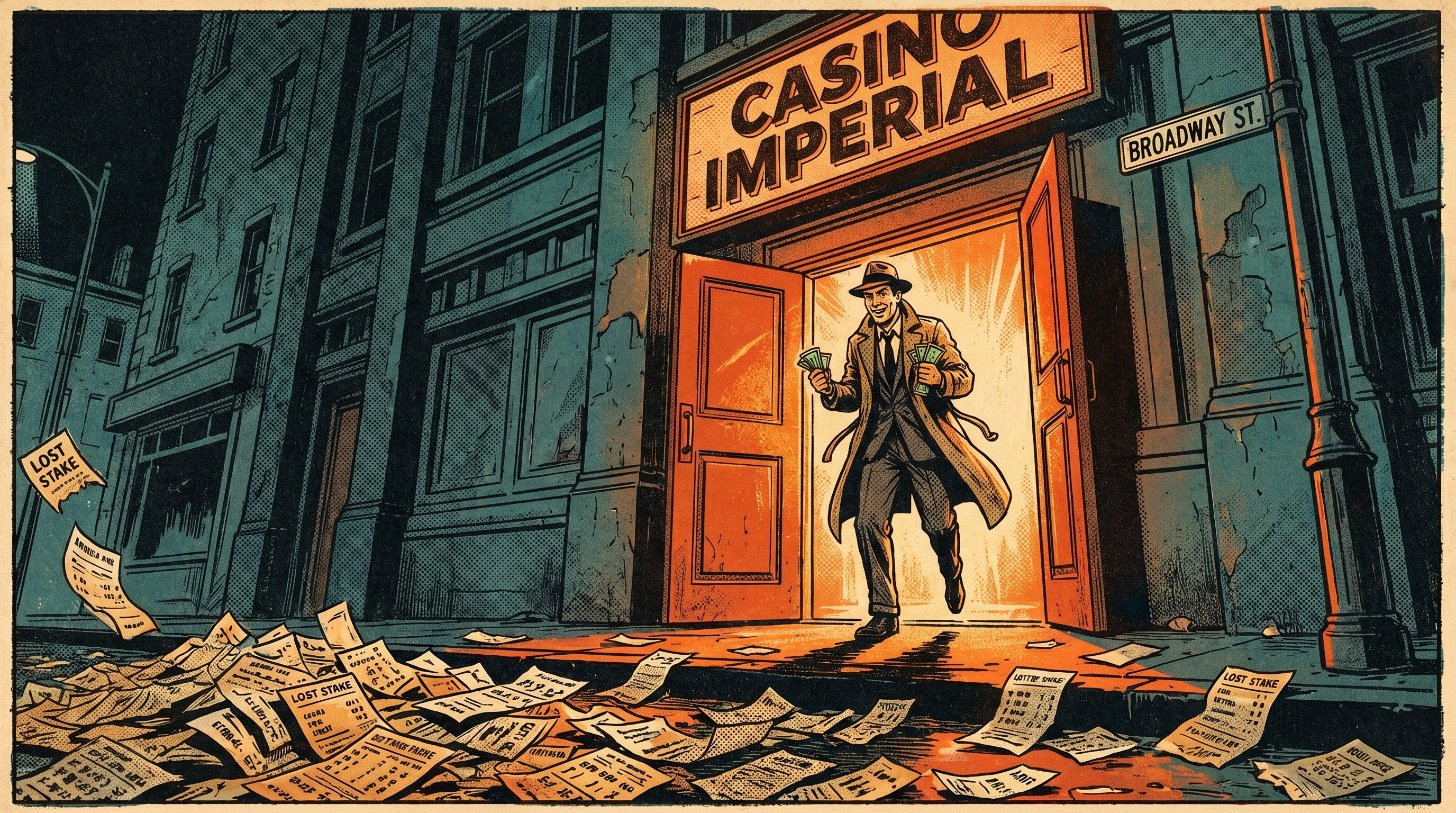
Picture a giant casino where every gambler is told to follow a "destiny." A million people each get a vague cosmic nudge — back the horse with the meaningful name, trust the dream, play your dead nan's birthday. Most lose. They go home quietly. A handful win, and those people get interviewed.
Stand outside the casino listening only to the winners walking out, and you'd swear the universe was sending coded messages. You'd be hearing a heavily edited broadcast — all triumph, no graveyard.
Here's the bit that should make you laugh: the original tipster in 1964 didn't even name a horse. He said "something Christmassy." That's not a prophecy. That's a horoscope. It's so loose it could only ever be confirmed, never disproven — because in any given year there's a decent chance some horse has a name you can squint into relevance. Smalls admits he went hunting through the rosters precisely because he already had the answer he wanted.
And the Romanian-surname flourish? Lovely. Also irrelevant. Craciun Marius Dorin's name meaning "Christmas" did nothing to make the horse run faster. It's set dressing we noticed after the win, because winning is what made us go looking.
Smile, But Don't Pray to It
None of this means Josh Smalls shouldn't enjoy his money, or that the mayor shouldn't fund her charities, or that you shouldn't smile at a good yarn. Smile away. A 62-year-old note nudging a stranger toward a winning bet is a genuinely delightful thing to have happened.
Just don't mistake delight for evidence. The universe didn't whisper across six decades to a man holding four old coins. A vague tip met a lucky outcome, and luck, unlike prophecy, has no memory of all the times it failed.
The dead don't pick horses. They just can't be there to apologise when they're wrong.